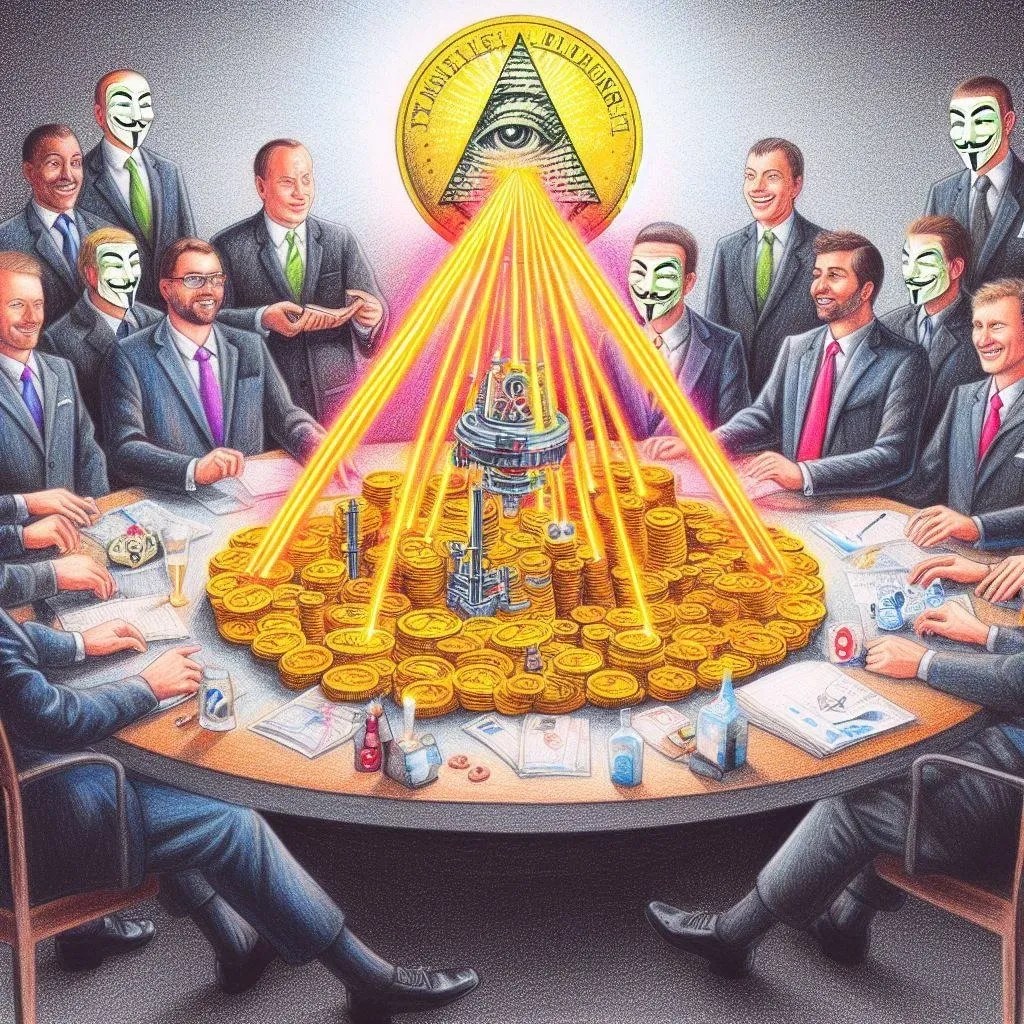
The Third Tread from “Deceptive Art Of War : Israel – Palestine (Poem)”:
is “Those Painting the deceptive imagery From Behind the scene”
“The deceptive art been displayed are painted by those with more money than Bill Gates behind the scenes painting narratives causing chaos and disarray.” Step back from the canvas of today’s turmoil—the Israel-Palestine war raging in headlines and hearts—and ask: Who wields the brush? It’s not the soldiers trudging through the dust, nor the mourners weeping over shattered homes. No, the painters of power stand apart, their wealth beyond imagining, richer than Bill Gates, crafting this chaos from the shadows. Their paint isn’t blood or steel—it’s narrative, their canvas disorder, and we’re the ones left staring, lost in the disarray they’ve spun.
These hidden artists don’t march into battle; they don’t need to. With fortunes that dwarf empires, they sit behind the scenes, dipping their brushes into pots of influence—media, politics, money—and splashing chaos across the Israel-Palestine war. What we see as a clash of nations, a struggle for sacred land, they see as a script, a story they write to keep the world spinning in their favor. Rockets fall, borders shift, yet their hands stay clean, their profits soar. The painters of power don’t fight—they orchestrate, turning grief into gain while we fixate on the art, blind to the gallery they own.
Scripture shines a harsh light on their kind: “For the love of money is a root of all kinds of evil, for which some have strayed from the faith in their greediness” (1 Timothy 6:10). Paul’s words cut deep—this isn’t about money itself, but the love of it, the greed that twists souls and sows all kinds of evil. The Israel-Palestine war becomes their masterpiece, a chaos fueled not by faith or justice, but by the greed of those who profit from division. 1 Timothy 6:10 isn’t a gentle rebuke; it’s a revelation of the painters of power, straying from truth to chase wealth, leaving us to stumble through the wreckage they’ve painted.
Karl Marx saw this too, peering through a different lens. He argued the elite orchestrate history, shaping wars and societies while the rest of us chase their crumbs—labor, loyalty, lives. In the Israel-Palestine war, the painters of power play his script: they fund the narratives—tales of heroes, villains, holy causes—while pocketing the dividends of disorder. Oil, arms, influence—their brushstrokes aren’t random; they’re calculated, each one stirring the pot of disarray. We argue over who’s right, who’s wrong, while they count the coins we don’t see. The art deceives because they design it to.
But this isn’t abstract theory—it’s the world we live in. Look at the Israel-Palestine war: decades of conflict, billions in aid and arms, and yet the same powers thrive while the land bleeds. The painters of power don’t wear uniforms or wave flags—they sit in boardrooms, behind screens, painting stories that keep us divided. 1 Timothy 6:10 warns of their greed, but it’s more than a moral failing—it’s a system, a machine that runs on chaos. They don’t need to fight when they can profit from our fixation, when they can turn a war into a gallery exhibit we can’t stop watching.
The painters of power leave us with a question: Who’s funding this masterpiece of mayhem? Scripture and Marx point to the same shadow—those who love money more than truth, who paint disarray while we mourn the colors. The Israel-Palestine war isn’t just a tragedy; it’s their art, a deceptive display that hides their hands. 1 Timothy 6:10 doesn’t just condemn—it calls us to look up, past the canvas, to the ones holding the brush. We’re not powerless, but we’re distracted, chasing crumbs while they build empires.
So I ask: Who do you think funds this chaos? The painters of power thrive while we debate the art—Israel or Palestine, right or wrong—missing the gallery they’ve rigged. 1 Timothy 6:10 lays it bare: greed paints this war, and we’re the audience. What do you see beyond the brushstrokes?
 LifeandTimelessart